
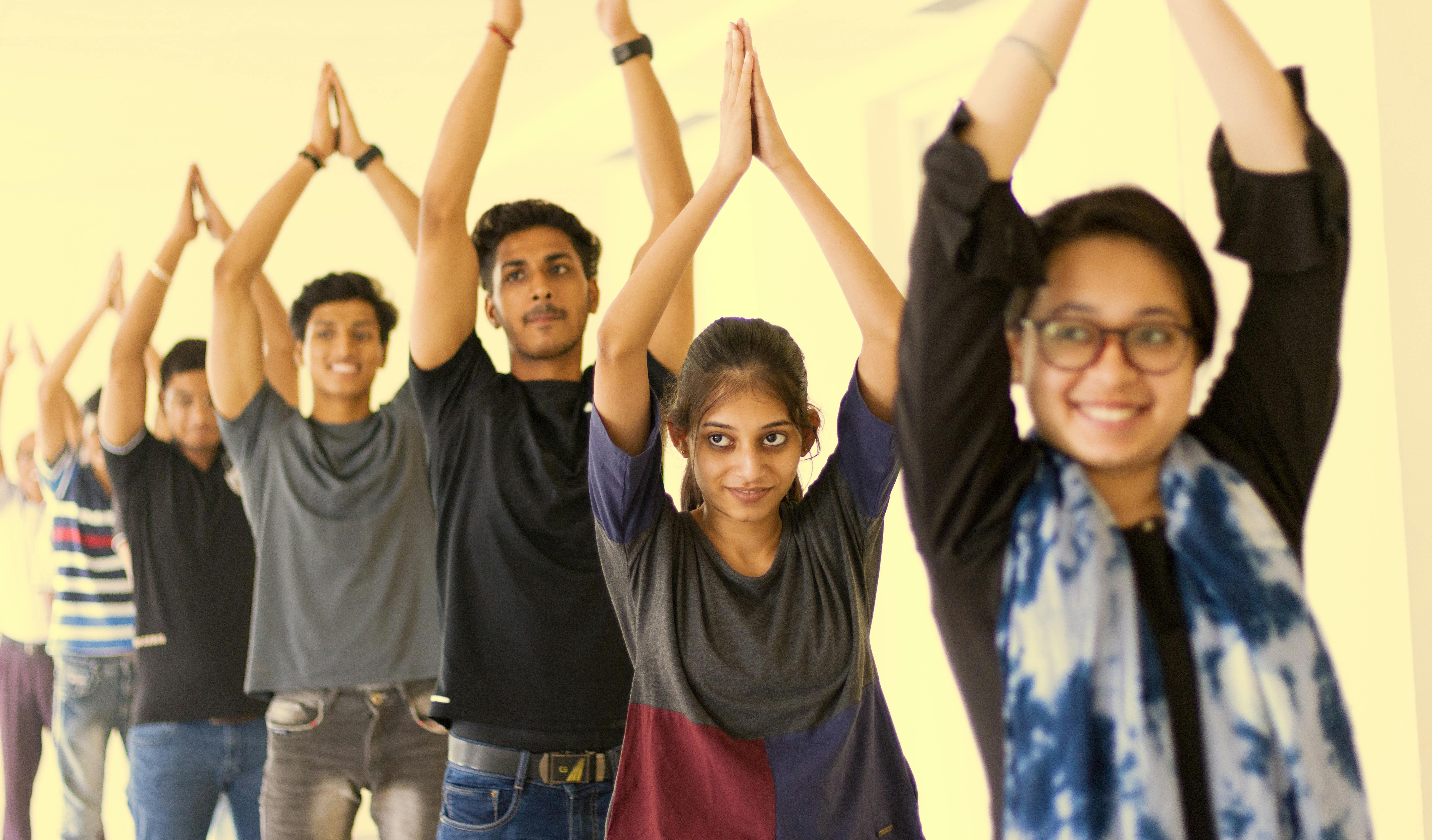
In 2026, the world of yoga is being transformed by cutting-edge AI technology, offering unprecedented personalized experiences. Discover how AI-powered yoga apps, smart mats, and virtual studios are optimizing your practice, preventing injuries, and enhancing mental wellness, making advanced yoga accessible to everyone. Explore the best AI yoga solutions for your home practice and compare top subscription services designed for ultimate well-being.
Introduction to the Topic
Welcome to 2026, where the ancient practice of yoga is being revitalized and hyper-personalized by the marvels of Artificial Intelligence. Gone are the days of one-size-fits-all studio classes or generic online videos. Today, AI-powered yoga is not just a trend; it’s a revolution, meticulously tailoring every aspect of your practice to your unique body, goals, and even your mood. This isn't about replacing human instructors, but rather augmenting your journey with intelligent insights, real-time feedback, and adaptive programs that propel you towards deeper physical mastery and profound mental peace. Whether you're a seasoned yogi or taking your very first breathwork class, AI is making yoga more accessible, effective, and deeply personal than ever before. Prepare to unlock your ultimate flow.
Backgrounds & Facts
The journey of yoga from ancient Indian traditions to a global wellness phenomenon has been remarkable. For decades, its growth was driven by physical studios and the charismatic guidance of human instructors. The digital age, particularly accelerated by the events of the early 2020s, saw a massive pivot to online yoga classes and virtual studios. However, a crucial element was often missing: personalized, real-time feedback. This is where AI steps in.
By 2026, AI and Machine Learning (ML) algorithms have matured significantly, moving beyond simple fitness tracking to complex biomechanical analysis. Smart yoga mats, equipped with pressure sensors and haptic feedback, can now detect subtle misalignments in your Warrior II. Advanced computer vision, integrated into yoga apps, uses your device's camera to analyze your posture in real-time, offering instant, actionable corrections. Wearable tech, already ubiquitous, now seamlessly integrates biometric data – heart rate variability, muscle exertion, even stress levels – to dynamically adjust your yoga sequence, ensuring optimal challenge without risk of injury. The global market for AI in fitness and wellness is projected to exceed $10 billion by the end of the decade, with personalized yoga solutions being a significant driver of this growth. This technological infusion is not just about convenience; it's about precision, safety, and an unparalleled depth of engagement, making high-quality, injury-preventing yoga instruction available to millions who might not have access to a personal guru.
Expert Opinion / Analysis
“The integration of AI into yoga is perhaps the most significant evolution in its modern history,” states Dr. Anya Sharma, a leading expert in neuro-adaptive wellness and a certified yoga therapist. “For years, the biggest barriers to a consistent and effective home yoga practice were the lack of immediate feedback and the fear of improper form leading to injury. AI addresses both head-on.”
Dr. Sharma emphasizes that AI's strength lies in its ability to process vast amounts of data – from your body's current flexibility to your historical performance – to create truly bespoke routines. “Imagine an AI that knows when your hamstrings are tight, your shoulders are hunched from a day at the desk, or when you need a more restorative practice for mental stress relief. It can adapt on the fly, guiding you not just through poses, but through a journey tailored precisely for your well-being that day.” She also highlights the democratizing effect: “It makes world-class instruction accessible, affordable, and personalized for individuals across all skill levels and physical conditions, from beginners to advanced practitioners seeking specific spiritual growth.”
However, Dr. Sharma also cautions against over-reliance on technology. “AI is a powerful tool, but it should enhance, not replace, the mindful connection to one's body and breath. The human element of empathy, spiritual guidance, and community remains vital. The best AI yoga platforms understand this balance, integrating features that encourage self-awareness and, where possible, offer hybrid models with human interaction.” Data privacy and the ethical use of biometric data are also paramount considerations for responsible AI yoga development.
💰 Best Options in Comparison (VERY IMPORTANT)
As the AI yoga market explodes, choosing the right platform or device can be daunting. We’ve meticulously compared the leading solutions in 2026, focusing on value, personalization, and unique features that genuinely elevate your practice. Whether you’re looking for a comprehensive virtual studio or a smart device to refine your poses, these options offer unparalleled experiences designed for conversion and lasting engagement.
- ZenFlow AI Mat & Pro Plan: This premium offering combines a state-of-the-art smart yoga mat with an advanced subscription service. The mat features embedded haptic feedback and pressure sensors that detect your posture with millimeter precision, providing gentle vibrations or visual cues on a connected screen to guide you into perfect alignment. The Pro Plan unlocks AI-driven dynamic flows, personalized progression tracking, and access to a vast library of classes focusing on injury prevention, flexibility, and strength. Ideal for dedicated home practitioners seeking precise physical guidance and tangible progress.
- AuraFlow AI Coach App: For those who prefer flexibility without additional hardware, AuraFlow leverages your smartphone or tablet camera and AI vision technology to provide real-time pose correction and adaptive flow generation. Its unique selling point is its “Emotional Intelligence” module, which uses your vocal tone and self-reported mood to suggest yoga and meditation sequences specifically designed for mental wellness, stress relief, or energy boosting. It's a comprehensive virtual yoga studio in your pocket, perfect for on-the-go users or those prioritizing holistic well-being.
- EvolveYoga AI Retreats: Blending the best of both worlds, EvolveYoga offers AI-guided virtual retreats with optional live instructor check-ins and community forums. The AI curates a personalized retreat schedule based on your goals (e.g., detox, deep relaxation, advanced inversions), recommending specific workshops, meditation sessions, and dietary advice. While the core guidance is AI-driven, the human connection through live Q&A sessions and peer support elevates the experience, making it ideal for individuals seeking structured growth and immersion without the travel.
Here's a detailed comparison to help you make an informed decision:
| Feature | ZenFlow AI Mat & Pro Plan | AuraFlow AI Coach App | EvolveYoga AI Retreats |
|---|---|---|---|
| Real-time Pose Correction | ✅ Via embedded sensors & visual cues | ✅ Via device camera & audio feedback | ✅ During guided sessions & live check-ins |
| Personalized Flow Generation | ✅ Dynamic sequences based on performance & goals | ✅ Adaptive programs, daily recommendations | ✅ Curated retreat schedules, tailored themes |
| Mental Wellness Modules | Integrated meditation & breathwork exercises | Extensive library for stress, sleep, focus | Deep dive workshops, guided mindfulness |
| Target User | Serious home practitioners, tech enthusiasts | Beginners to intermediate, on-the-go users | Individuals seeking immersive, structured growth |
| Price Model | Mat purchase + monthly/annual subscription | Freemium with premium monthly/annual subscription | Per retreat booking, tiered packages |
| Unique Selling Point | Haptic feedback, precise physical guidance | AI-driven emotional intelligence integration | Blended virtual immersion & human mentorship |
Outlook & Trends
The future of AI in yoga, and indeed in holistic wellness, is incredibly promising and rapidly evolving. By the end of the decade, we can expect even deeper integration with augmented reality (AR) and virtual reality (VR), creating truly immersive yoga environments. Imagine stepping into a VR headset and finding yourself practicing Sun Salutations on a digital beach, with an AI avatar guiding you and providing haptic feedback through smart gloves or suits. Brain-computer interfaces (BCIs) might even begin to emerge, allowing AI to interpret neurological signals to tailor meditative states or provide biofeedback for deeper relaxation and focus.
Further advancements in predictive analytics will enable AI to anticipate potential injuries based on your movement patterns and suggest preventative exercises before issues arise. The blending of physical and digital will continue, with hybrid yoga studios offering AI-enhanced classes alongside traditional instruction. Furthermore, AI will play a crucial role in making specialized yoga practices, such as prenatal yoga, yoga for chronic pain, or adaptive yoga for disabilities, more widely accessible and precisely tailored to individual needs globally. The goal remains the same: to foster well-being, mindfulness, and personal growth, now supercharged by intelligent technology.
Conclusion
The year 2026 marks a pivotal moment in the evolution of yoga, with Artificial Intelligence serving as a powerful catalyst for personalization and accessibility. From smart mats that correct your form to apps that intuitively understand your emotional state, AI is redefining what a personalized yoga practice can achieve. It’s about more than just exercise; it's about a smarter, safer, and more deeply connected path to physical and mental well-being. By embracing these innovative AI yoga solutions, you're not just practicing yoga; you're engaging with the future of self-care. Explore the options, find the perfect AI companion for your journey, and unlock a level of flow and self-discovery you never thought possible. The future of your yoga practice is here, and it’s brilliantly intelligent.