
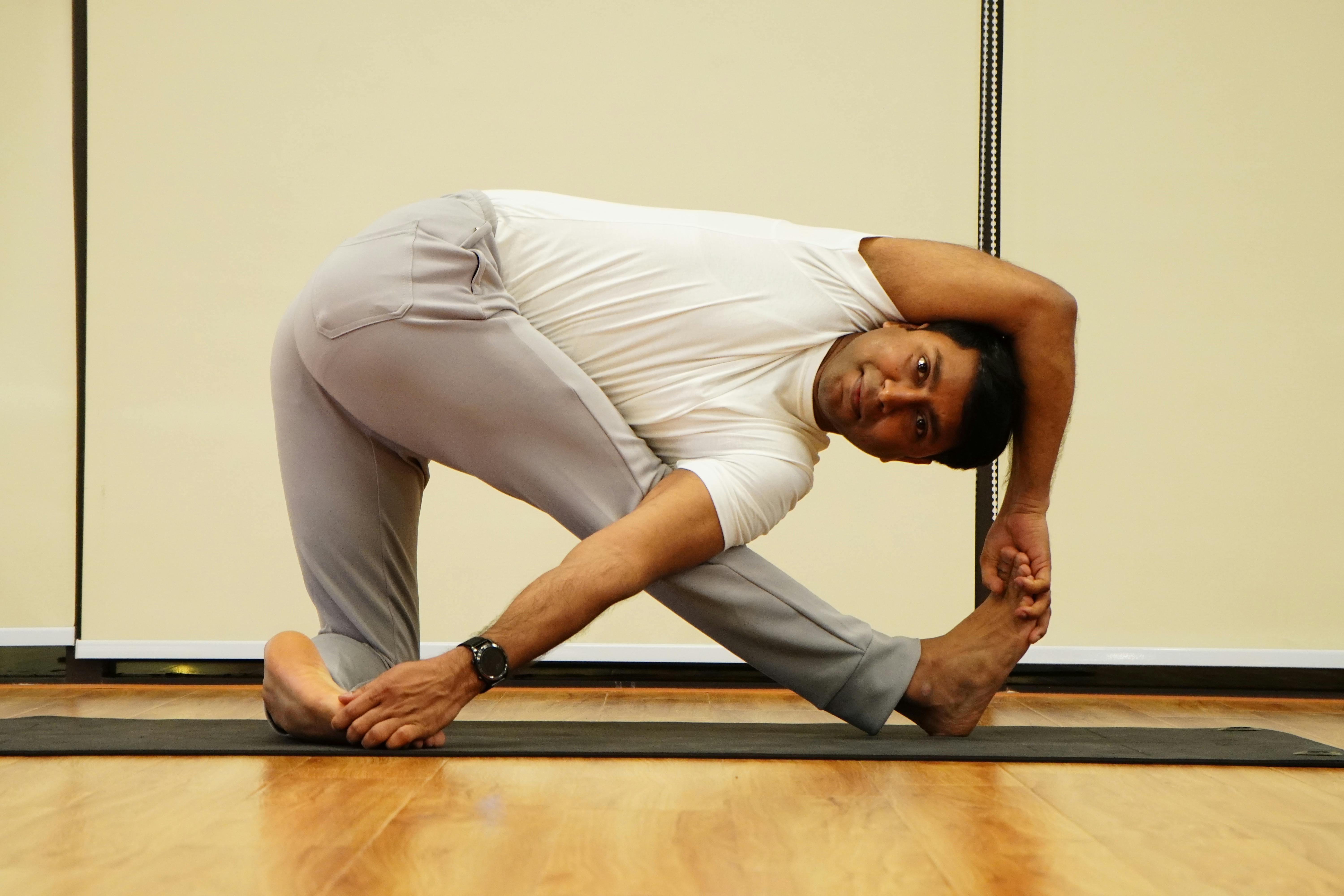
Dive into the future of wellness with our 2026 guide to AI-powered personalized yoga and smart wearable technology. Discover how innovative apps, intelligent mats, and virtual reality studios are transforming home practice, optimizing your poses, and enhancing mindfulness. Compare the best online yoga subscriptions and cutting-edge tech devices to elevate your journey, maximize results, and find your perfect flow.
Introduction to the Topic
Welcome to 2026, where the ancient practice of yoga is experiencing its most profound evolution yet. Gone are the days when a yoga mat and a good instructor were your only tools. Today, we stand at the precipice of a new era, one where Artificial Intelligence (AI) and advanced wearable technology are not just complementing, but actively revolutionizing how we practice, learn, and experience yoga. From hyper-personalized pose adjustments to immersive virtual reality studios and biofeedback-driven meditation, the future of yoga is here, promising unprecedented levels of precision, accessibility, and transformative power. Whether you're a seasoned yogi seeking to refine your alignment or a beginner looking for a truly tailored introduction, the integration of smart tech is poised to unlock your peak potential and deepen your connection to mind, body, and spirit. But with so many innovations hitting the market, how do you navigate this exciting new landscape and choose the right tools for your journey? Let's explore.
Backgrounds & Facts
The global wellness market, particularly the yoga segment, has seen exponential growth, projected to exceed $100 billion by 2027. This expansion isn't just in traditional studios; it's heavily driven by digital adoption. The COVID-19 pandemic accelerated the shift towards home-based fitness, making online yoga classes and digital wellness platforms mainstream. Fast forward to 2026, and this trend has matured into sophisticated AI and sensor-driven ecosystems. AI algorithms can now analyze your body's movements in real-time, offering instant feedback on posture, balance, and depth of stretch, far beyond what a single instructor can provide in a large class. Smart yoga mats equipped with pressure sensors detect weight distribution and alignment, guiding practitioners with haptic feedback or visual cues. Wearable devices, once limited to step counting, now offer advanced metrics like heart rate variability (HRV), skin conductance, and even brainwave patterns, providing a holistic view of your physical and mental state during practice. This data-driven approach allows for truly personalized yoga sequences, dynamically adjusting to your energy levels, stress indicators, and specific wellness goals, making yoga more effective and accessible than ever before. The fusion of ancient wisdom with cutting-edge technology is not just a fad; it's a fundamental shift towards a more intelligent, responsive, and deeply personal wellness journey.
Expert Opinion / Analysis
We sat down with Dr. Anya Sharma, a leading expert in digital wellness and founder of 'Conscious Tech Institute,' to get her insights on this burgeoning field. "The beauty of AI in yoga isn't to replace human instructors, but to augment and democratize access to high-quality, personalized guidance," explains Dr. Sharma. "Imagine having a virtual guru that understands your unique physiology, your daily stress levels, and even your mood, tailoring a practice that evolves with you. This level of personalization was once reserved for elite athletes or those with private instructors. Now, it's becoming accessible to everyone."
Dr. Sharma highlights the precision benefits: "AI can detect subtle misalignments that even a trained eye might miss, preventing injuries and accelerating progress. For meditation, biofeedback wearables are game-changers, offering objective data on your state of mind, helping you train your focus more effectively."
However, she also cautions against over-reliance on technology. "While the data is invaluable, the essence of yoga remains self-awareness and mindful presence. The technology should be a tool to deepen that connection, not a distraction. We must ensure these platforms foster a sense of community and connection, rather than isolation. The challenge for developers in 2026 is to strike that delicate balance between advanced analytics and the intuitive, spiritual core of yoga." She advises practitioners to choose platforms that prioritize holistic well-being, offer clear data privacy policies, and integrate options for human interaction or community engagement.
💰 Best Options in Comparison (VERY IMPORTANT)
Ready to upgrade your yoga journey? In 2026, the market is brimming with innovative solutions designed to enhance your practice, improve your alignment, and deepen your mindfulness. Here's a comparison of the top AI-powered yoga platforms, smart mats, and wearable tech that are generating buzz and delivering real results, tailored for purchasing intent.
- ZenithFlow AI Yoga Coach (Premium App Subscription): This subscription-based app offers an unparalleled personalized experience. ZenithFlow's AI uses your device's camera to analyze your form in real-time, providing audio and visual cues for precise adjustments. It learns your strengths and weaknesses, dynamically generating daily sequences based on your progress, energy levels, and even integrates with your smart calendar to suggest optimal practice times. Ideal for intermediate to advanced practitioners seeking highly personalized coaching and form correction.
- AuraMat Pro (Smart Yoga Mat & Sensor System): The AuraMat Pro is a game-changer for home practitioners. Embedded with over 200 pressure sensors, it maps your body's contact points and weight distribution on the mat. Paired with its dedicated app, it provides haptic feedback (gentle vibrations) and on-screen visuals to guide you into perfect alignment. It tracks your consistency and progress over time, making it perfect for beginners and those focused on fundamental alignment.
- MetaYogi VR Studio (Immersive Virtual Reality Experience): For the ultimate escape, MetaYogi offers a subscription to a breathtaking VR yoga studio. Using your VR headset, you're transported to serene virtual environments – from mountain peaks to tranquil beaches – with holographic instructors guiding you through classes. Its advanced tracking ensures your movements are mirrored in the virtual space, providing immersive feedback. Best for users seeking a highly engaging, distraction-free experience and those who struggle with motivation in a traditional home setting.
- PulseFlex 3.0 (Advanced Wearable for Yoga & Meditation Tracking): While not a yoga platform itself, the PulseFlex 3.0 wristband integrates seamlessly with most leading yoga apps. It tracks heart rate variability, skin conductance, and even alpha brainwave activity during your practice and meditation sessions. Its AI then provides insights into your stress levels, focus, and recovery, helping you understand the physiological impact of your yoga. Essential for data-driven yogis and those looking to optimize their mindfulness and stress reduction.
Comparison Table: Elevate Your Practice in 2026
| Product/Service | Key Feature | Best For | Price Range (2026 Est.) | Subscription Model |
|---|---|---|---|---|
| ZenithFlow AI Yoga Coach | Real-time AI pose analysis via camera | Personalized coaching, form correction | $19.99 - $29.99/month | Monthly/Annual App Subscription |
| AuraMat Pro | Pressure-sensing mat with haptic feedback | Alignment mastery, fundamental practice | $349 - $499 (Mat) | One-time purchase (mat) + optional app premium |
| MetaYogi VR Studio | Immersive VR environments & holographic instructors | Engaging, distraction-free, experiential yoga | $14.99 - $24.99/month | Monthly/Annual VR Platform Subscription |
| PulseFlex 3.0 | HRV, skin conductance, brainwave tracking | Data-driven insights, mindfulness optimization | $179 - $249 (Device) | One-time purchase (device) + optional premium analytics |
Outlook & Trends
Looking ahead, the integration of AI and smart technology in yoga is only set to deepen. We anticipate even more sophisticated biofeedback systems, potentially integrating directly into smart apparel, offering haptic guidance and real-time physiological adjustments without needing a mat or external camera. Predictive AI will analyze your daily habits, sleep patterns, and even dietary intake to recommend optimal yoga and meditation sequences before you even realize you need them. The concept of a 'digital twin' for your yoga practice might emerge, allowing you to track your anatomical progress in 3D. Furthermore, the ethical considerations around data privacy and the potential for 'digital detox' features will become paramount, as developers strive to balance hyper-personalization with the core tenets of mindfulness and presence. Expect to see more hybrid models, combining advanced tech with live online human instructors, fostering a global community that transcends geographical boundaries. The future promises a truly adaptive, accessible, and profoundly insightful yoga experience for everyone, everywhere.
Conclusion
The year 2026 marks a pivotal moment in the evolution of yoga. The fusion of ancient wisdom with cutting-edge AI and wearable technology isn't just about efficiency; it's about unlocking a deeper, more personalized, and ultimately more transformative practice for millions. From intelligent apps guiding your alignment to immersive VR studios transporting you to serene landscapes, the tools available today offer unprecedented opportunities to refine your technique, deepen your mindfulness, and connect with your inner self. Whether you choose to invest in a smart mat, subscribe to an AI-powered coach, or track your progress with advanced wearables, the path to your peak potential in yoga is now more accessible and data-driven than ever before. Embrace these innovations, find the perfect blend of tech and tradition that resonates with you, and embark on a yoga journey that is truly your own. The future of your flow starts now.