
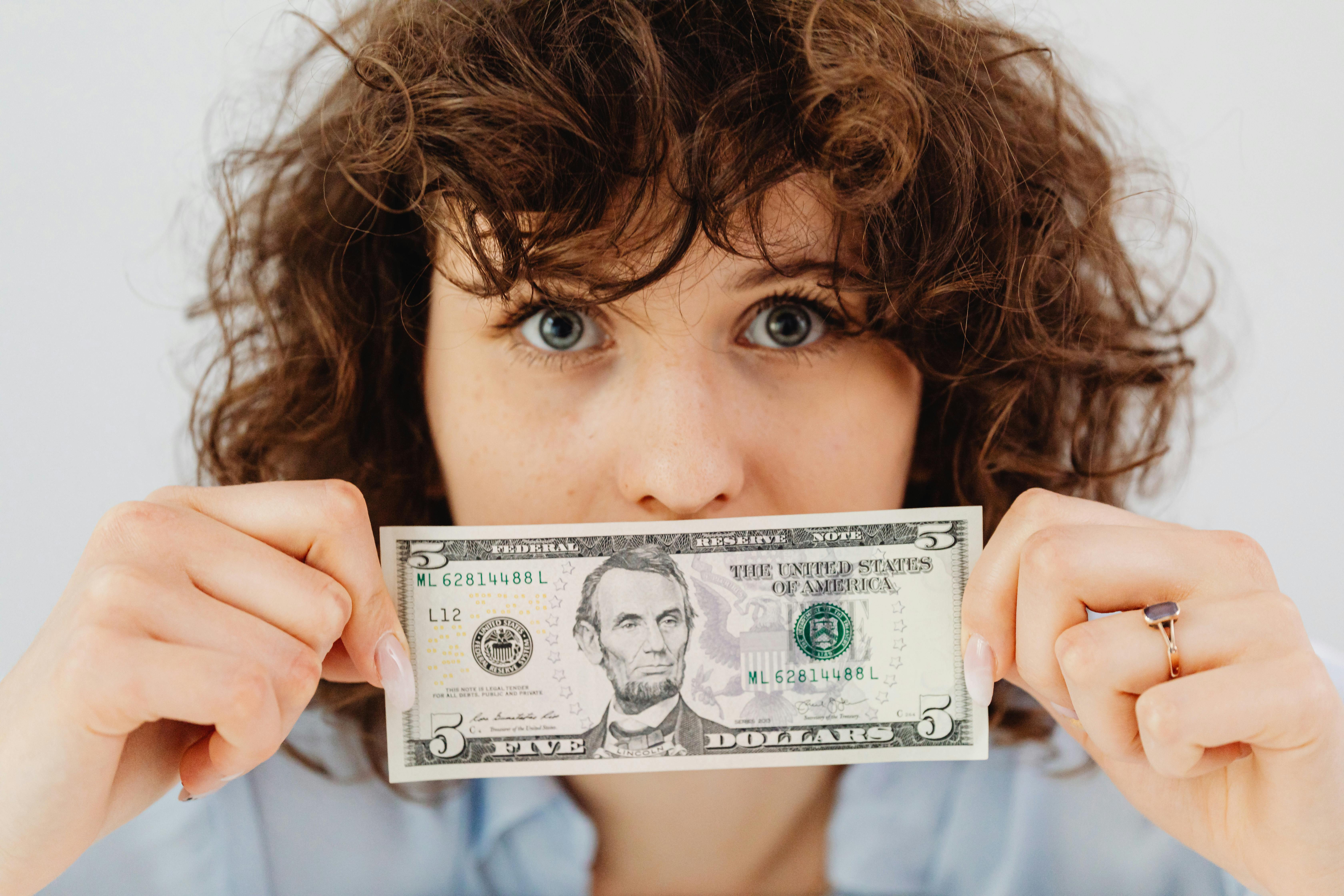
Navigate 2026 self-help cost trends to maximize ROI and save money. Discover expert analysis on personal development investments, from AI coaching to wellness programs, ensuring smart spending for your growth.
💰 Secure Top Deal: Go straight to the offer →
📍 More from this category: Self Help – All Articles
Introduction: The Real Story Behind Maximizing Self-Help ROI in 2026
Best Philosophy 2026: Ultimate Comparison →
In 2026, the pursuit of personal growth isn't just a trend; it's a strategic imperative. As the pace of life accelerates and professional landscapes evolve, Americans are increasingly turning to self-help resources to enhance their careers, improve mental well-being, and achieve financial mastery. Yet, this burgeoning industry, projected to exceed $15 billion by mid-decade in the U.S. alone, presents a complex financial challenge: how do you invest in yourself without overspending, ensuring every dollar yields a significant return? The real story isn't just about what's available, but about the nuanced economics of personal development. With inflation impacting everyday expenses and the cost of specialized services on the rise, understanding 2026 self-help cost trends is critical. This comprehensive guide will equip you with the insights to navigate the market, identify high-value opportunities, and save money while maximizing your personal growth ROI.
Deep Dive: Backgrounds, Facts, & US Market Data for Self-Help in 2026
The self-help landscape of 2026 is a dynamic ecosystem, shaped by technological advancements, shifting consumer priorities, and persistent economic pressures. Post-pandemic, the demand for mental wellness, skill acquisition, and resilience training has only intensified, driving innovation and, inevitably, influencing pricing structures. Let's dissect the key categories and their projected cost implications in the US market.
The Evolving Cost of Online Courses & Digital Learning
Online learning platforms continue to dominate the self-help sector. In 2026, the market has matured, offering everything from micro-credentialing courses on platforms like Coursera and edX to highly specialized, cohort-based programs from independent creators. While free or freemium models still exist, the trend is towards premiumization for courses offering direct access to instructors, community features, and career support. A typical high-quality, in-depth online course focusing on a specific skill (e.g., advanced digital marketing, AI prompt engineering, therapeutic communication) can range from $250 to $1,500, with some masterclass-style programs reaching $2,500-$5,000 for extended access or personalized feedback. Subscription models, offering access to libraries of content, are popular, averaging $20-$70 per month, a slight increase from 2024 due to enhanced AI integration and updated content.
Coaching & Mentorship in a Hybrid World
Personal and professional coaching remains a cornerstone of self-improvement. In 2026, the hybrid model (virtual and occasional in-person sessions) is standard.
- Executive & Business Coaching: Often the most expensive, catering to high-level professionals. Expect to pay anywhere from $300 to $1,000+ per hour, or package deals of $3,000 to $15,000+ for 3-6 month engagements. These costs reflect the specialized expertise and significant ROI potential for career advancement.
- Life & Wellness Coaching: More accessible, with rates typically ranging from $150 to $400 per hour. Package deals for 3-6 months might be $1,500 to $5,000. The rise of niche coaches (e.g., financial wellness, relationship, productivity) means a wider price spectrum.
- AI-Powered Coaching Apps: A significant disruptor. While not replacing human coaches entirely, AI coaches offer personalized insights, goal tracking, and motivational prompts at a fraction of the cost, typically $10-$50 per month. Their sophistication in 2026 has vastly improved, making them a compelling value pick for many.
Therapy & Mental Health Support
Mental health awareness has surged, and so has the demand for therapy. In 2026, the average cost for a 45-60 minute therapy session in the US, without insurance, ranges from $120 to $250, depending on location, therapist's specialization, and experience. Online therapy platforms have helped reduce some access barriers, with subscription models or per-session fees often falling in the $80-$180 range. The challenge remains insurance coverage, which varies widely, making out-of-pocket expenses a major consideration for many seeking consistent support.
Wellness Retreats & Immersive Experiences
For those seeking intensive self-improvement, wellness retreats offer a complete immersion. These experiences, focusing on mindfulness, detox, spiritual growth, or leadership development, are typically multi-day events. In 2026, a high-quality domestic retreat can cost between $1,500 and $5,000 for a 3-7 day program, excluding travel. Luxury or international retreats can easily exceed $7,000-$10,000. These are often viewed as significant investments, offering deep transformation but requiring careful financial planning.
Self-Help Books, Audiobooks, & Free Resources
The foundation of self-help remains accessible. A new hardcover self-help book typically costs $25-$35, while e-books and audiobooks are $15-$25. Public libraries offer an invaluable, free resource for physical and digital titles. Furthermore, podcasts, YouTube channels, and free online communities continue to provide a wealth of information and support at no direct financial cost, though they demand time and discernment.
Expert Analysis & Industry Insights: Navigating the Value Equation
As an elite strategist, I observe a critical shift in the self-help industry for 2026: a move towards demonstrable value and personalized experiences. The days of generic advice commanding high prices are waning. Consumers are savvier, demanding transparency, measurable outcomes, and a clear return on their investment.
The Premiumization vs. Personalization Paradox
One key trend is the "premiumization" of highly personalized self-help. Think bespoke coaching programs that integrate AI diagnostics with human empathy, or executive retreats tailored to individual leadership challenges. These command top dollar because they promise specificity and results that generic solutions cannot. However, this creates a paradox: how do you access personalization without the premium price tag? The answer lies in leveraging technology. AI-driven platforms are bridging this gap, offering customized learning paths and coaching feedback at a much lower cost. They may lack the human touch, but their data-driven insights are increasingly sophisticated.
The Subscription Economy's Grip on Self-Help
The subscription model has permeated nearly every aspect of self-help. From mental wellness apps (e.g., Calm, Headspace alternatives) to learning platforms (e.g., MasterClass, Skillshare alternatives), consumers are opting for monthly access over one-time purchases. While convenient, this can lead to "subscription fatigue" and hidden costs if not managed carefully. Many users subscribe to multiple platforms, unknowingly accumulating significant monthly expenses. The smart strategy in 2026 is to audit your subscriptions quarterly, ensuring each one actively contributes to your goals and isn't just a dormant expense.
The Rise of "Self-Help Stacking" and Curated Pathways
Savvy individuals in 2026 are no longer relying on a single self-help solution. Instead, they are engaging in "self-help stacking" – strategically combining different resources to create a personalized, cost-effective development pathway. This might involve a free podcast for daily inspiration, a low-cost AI coaching app for goal setting, a mid-range online course for skill development, and occasional group coaching sessions for accountability. The key is curation: understanding your specific needs and assembling a toolkit that addresses them efficiently, rather than buying into every trending program.
Due Diligence: The Unsung Hero of ROI
With an overwhelming array of options, due diligence is more critical than ever. Before committing to any self-help investment in 2026, ask:
- What are the verifiable credentials of the instructor/coach/platform? Look for certifications, testimonials, and a track record of success.
- What are the specific, measurable outcomes promised? Vague promises are red flags.
- What is the total cost, including hidden fees or upsells? Understand the full financial commitment.
- Is there a trial period or a clear refund policy? Protect your investment.
💰 Ultimate Comparison: The Best Options for 2026 Self-Help (HIGH CPC SECTION)
To maximize your ROI and save money on self-help in 2026, a strategic approach is essential. Here’s a breakdown of options, from premium investments to high-value budget picks, designed to help you make informed decisions.
Premium Pick: Targeted Transformation for High ROI
For those seeking significant, measurable change in specific areas like career advancement, leadership development, or overcoming deep-seated personal blocks, a premium investment can yield substantial returns. This often involves highly specialized coaching or immersive retreats.
Example: Executive Leadership Coaching + Specialized Online Certification
Investing in a 6-month executive leadership coaching package (e.g., $8,000-$15,000) combined with a highly regarded online certification in a future-proof skill (e.g., AI strategy, advanced data analytics, emotional intelligence for leaders – $1,000-$3,000) provides a dual approach. The coaching offers personalized strategy, accountability, and mindset work, while the certification provides tangible, marketable skills. The ROI here is often seen in accelerated career progression, higher earning potential, and enhanced leadership effectiveness, potentially translating into tens of thousands of dollars in increased salary or business revenue within 1-2 years. This option is for individuals ready to commit significant resources for transformative, career-defining results.
Value Pick: Smart Spending for Consistent Growth
For individuals seeking continuous personal growth, mental wellness support, or skill enhancement without a hefty price tag, a combination of accessible digital tools and community resources offers excellent value. The focus here is on consistent, incremental improvement.
Example: AI-Powered Wellness App + Curated Online Learning Platform + Group Coaching
This strategy involves combining several affordable resources:
- AI-Powered Mental Wellness App: (e.g., $20-$40/month) for daily mindfulness, mood tracking, and personalized cognitive behavioral therapy (CBT) exercises. Provides consistent support and data-driven insights.
- Curated Online Learning Platform Subscription: (e.g., $30-$60/month) offering access to a vast library of courses on productivity, communication, financial literacy, or creative skills. Allows for self-paced learning and skill development across multiple domains.
- Virtual Group Coaching Program: (e.g., $100-$300/month for 3-6 months) focused on a specific goal like habit formation, public speaking, or small business development. Offers accountability, peer support, and expert guidance at a fraction of the cost of one-on-one coaching.
| Self-Help Category | Average 2026 Cost (USD) | Typical ROI Potential | Time Commitment | Key Benefits & Considerations |
|---|---|---|---|---|
| Executive/Specialized Coaching | $300 - $1,000+ per hour ($3k - $15k+ for packages) | High (career advancement, leadership, business growth) | Moderate (1-2 hrs/week coaching, plus implementation) | Personalized strategy, accountability, profound transformation. Requires significant financial commitment. |
| Immersive Wellness Retreats | $1,500 - $7,000+ (3-7 days, excl. travel) | Moderate to High (burnout recovery, deep introspection, skill immersion) | High (full-time for duration of retreat) | Intensive focus, digital detox, community. Less frequent, higher upfront cost. |
| Premium Online Courses (Cohort-based/Certified) | $250 - $2,500+ (one-time fee) | Moderate to High (specialized skill acquisition, career pivot) | Moderate to High (4-10+ hrs/week for course duration) | Structured learning, expert instruction, often includes certification. Requires self-discipline. |
| Life/Wellness Coaching (Individual) | $150 - $400 per hour ($1.5k - $5k for packages) | Moderate (goal achievement, mindset shift, personal growth) | Moderate (1-2 hrs/week coaching, plus application) | Personalized support, guidance on specific life challenges. More accessible than executive coaching. |
| Online Therapy Platforms | $80 - $180 per session (or monthly subscription) | High (mental health improvement, coping strategies, emotional regulation) | Moderate (1 hr/week session, plus personal work) | Convenient, accessible mental health support. Insurance coverage varies. |
| Group Coaching Programs | $100 - $300 per month (for 3-6 months) | Moderate (accountability, peer support, specific skill development) | Low to Moderate (1-2 hrs/week group session) | Cost-effective, community aspect, shared learning. Less individualized than 1:1. |
| AI-Powered Coaching/Wellness Apps | $10 - $50 per month | Low to Moderate (daily motivation, habit tracking, basic mental wellness) | Low (10-30 mins/day) | Highly accessible, personalized insights, convenient. Lacks human empathy/nuance. |
| Online Learning Platform Subscriptions | $20 - $70 per month | Low to Moderate (continuous skill development, broad knowledge) | Low to Moderate (self-paced) | Vast content library, flexible learning. Requires self-motivation to complete courses. |
| Self-Help Books/Audiobooks | $15 - $35 (one-time purchase) | Low to Moderate (knowledge acquisition, inspiration) | Low (self-paced reading/listening) | Highly affordable, foundational knowledge. Requires personal application and discipline. |
| Free Online Resources (Podcasts, YouTube, Libraries) | $0 | Potentially Moderate (inspiration, basic knowledge, community) | Low (self-paced) | No direct cost, vast information. Requires discernment and self-structuring. |
Future Outlook & 2026 Trends: The Road Ahead for Personal Growth
Looking ahead into the remainder of 2026 and beyond, several key trends will continue to reshape the self-help industry and influence cost structures.
Hyper-Personalization Driven by Advanced AI
The biggest disruptor will remain artificial intelligence. Expect AI to move beyond basic chatbots to truly predictive and adaptive tools. Imagine AI that not only suggests content based on your past behavior but also anticipates your emotional states, recommends interventions before stress peaks, and even designs personalized learning modules based on your unique cognitive style. This hyper-personalization will drive value, but also create tiered pricing models: basic AI access will be affordable, while advanced, deeply integrated AI solutions might command premium subscription fees.
Integration of Biometric Data and Wearables
The convergence of self-help with health tech will become more pronounced. Wellness programs will increasingly integrate data from wearables (smartwatches, rings) to offer personalized insights into sleep, stress levels, activity, and even nutritional impact on mood. This data-driven approach will create highly effective, but potentially more expensive, holistic self-improvement packages. Think subscription models that combine a coaching app with a health tracker's premium analytics.
The Rise of "Community-as-a-Service" (CaaS)
Beyond traditional online forums, expect a surge in highly curated, facilitated online communities focused on specific self-help goals. These aren't just Facebook groups; they are professionally managed spaces with expert facilitators, structured peer-to-peer learning, and accountability mechanisms. These "Community-as-a-Service" models will offer significant value at a moderate cost, often as an add-on to courses or coaching, or as standalone subscriptions (e.g., $50-$150 per month). They address the human need for connection and shared purpose, which generic digital tools often miss.
Focus on Digital Detox and "Offline" Self-Help
Paradoxically, as digital self-help expands, there will be a growing counter-trend: a demand for "offline" and digital-detox experiences. Retreats, wilderness therapy, and in-person workshops that emphasize disconnecting from technology will gain traction, often at a premium due to their immersive and exclusive nature. This reflects a societal yearning for balance and genuine human connection in an increasingly digital world.
The "Skill-Stacking" Imperative
The rapid pace of technological change and economic shifts will make "skill-stacking" – continuously acquiring and combining new skills – an imperative, not just a choice. Self-help programs that facilitate this, particularly those focused on adaptability, critical thinking, and digital literacy, will see sustained demand. Providers offering bundles of related courses or micro-credentials will be particularly attractive for those looking to maximize their professional ROI.
Conclusion: Your Strategic Blueprint for 2026 Self-Help Success
Navigating the 2026 self-help landscape successfully hinges on a single principle: strategic investment. The days of haphazardly spending on trending programs are over. To maximize your ROI and save money, you must become a discerning consumer, armed with knowledge of cost trends, a clear understanding of your personal goals, and a commitment to due diligence.
Whether you opt for a premium, transformative coaching experience or a carefully curated stack of value-driven digital resources, the goal remains the same: to invest in yourself wisely. Leverage AI for personalization, scrutinize subscription models, and prioritize proven efficacy over flashy marketing. Your personal growth in 2026 is not merely an expense; it's the most valuable investment you can make in your future well-being, career, and overall prosperity. By understanding the evolving cost trends and applying these strategic insights, you can ensure that every dollar spent on self-help is a step towards a more empowered and fulfilling life.
👉 More News: Best Self Help 2026: Comparison Guide to Maximize ROI